Transforming a Cargo Box: The P+M Upstate Adventure Begins
The journey of converting a rugged shipping container into a cozy, functional living space is an inspiring testament to vision and determination. For Pamela and Matthew, their "Upstate Adventure" began with the purchase of land in Upstate New York, a blank canvas for a weekend retreat. Their ambitious dream? To transform a utilitarian metal box into a welcoming home away from home. The very first significant step in this incredible journey involved the critical task of painting the interior of the shipping container, a decision that immediately breathed new life into the structure.
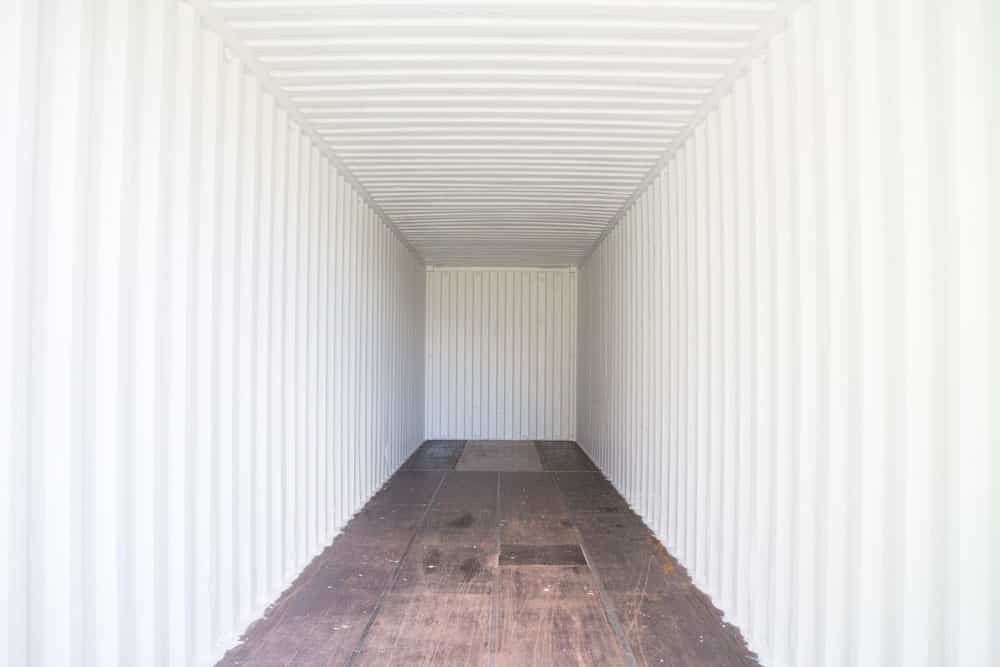
Initially, the container, a used model chosen for its economical advantage, was far from charming. Having served years lugging various cargo, its interior bore the marks of its industrial past: dirt, grime, and countless scuffs. It was a raw, uninviting space. But with the arrival of Fall, after a summer dedicated to their garden, the focus shifted. The immediate goal was to make the container "pretty and cozy" enough for weekend stays, a necessary interim step before extensive renovations like insulation, permanent walls, and flooring could be tackled due to time and budget constraints. This initial painting phase, therefore, was about more than just aesthetics; it was about reclaiming the space and making it habitable.
The visual impact of a fresh coat of white paint cannot be overstated. It instantly brightened the cavernous interior, creating a sense of cleanliness and expansion that was previously unimaginable. This transformation is a powerful reminder that sometimes, the simplest and most cost-effective solutions can yield the most dramatic results, setting the stage for bigger dreams.
Why Exterior Paint for an Interior Space? Understanding the Logic
One of the most intriguing decisions made during the P+M Upstate Adventure painting the interior of the shipping container was the choice of paint: exterior paint for an interior application. While it might seem counterintuitive at first, this strategic choice was based on a deep understanding of the unique environmental challenges presented by a shipping container structure, especially one in a temperate climate like Upstate New York.
Shipping containers are essentially uninsulated metal boxes. This means their internal temperature fluctuates dramatically with the external environment. In the depths of winter, the interior can become freezing, while summer sun can turn it into an oven. These extreme temperature swings lead to significant condensation and moisture build-up on the metal surfaces. Standard interior paints are not designed to withstand such constant thermal stress and moisture exposure, which can lead to peeling, blistering, and mildew growth over time.
This is where exterior paint, specifically a durable formulation like Valspar Duramax (the product chosen by P+M), truly shines. Exterior paints are engineered to:
- Withstand Extreme Temperatures: They are formulated to expand and contract with the surfaces they cover, preventing cracking and peeling due to thermal shifts.
- Resist Moisture and Humidity: Many exterior paints offer superior water resistance, forming a protective barrier that helps mitigate the effects of condensation and dampness. This is crucial in preventing rust on the metal and mold/mildew growth.
- Offer Enhanced Durability: Designed to endure harsh weather conditions, they are inherently more robust and abrasion-resistant, making them ideal for a space that will see continuous use, even if temporary.
- Often Include Primer: The paint+primer in one feature of Valspar Duramax was a practical bonus, simplifying the process and ensuring better adhesion and coverage on the challenging metal surface.
The foresight to use exterior paint was a smart, long-term decision, even for a temporary solution. It provided immediate aesthetic improvement while also offering a crucial layer of protection against the elements until full insulation could be installed, safeguarding the container's integrity and the comfort of its occupants.
The Painting Process: From Grimy to Gleaming
The transformation of the shipping container's interior from a grimy, marked shell into a bright, welcoming space was a labor of love, requiring careful planning and execution. The initial state of the used container, with its cargo stains and general dirtiness, meant that preparation was paramount before any paint could touch the metal.
Essential Preparation Steps:
- Thorough Cleaning: Before painting, the entire interior — walls, ceiling, and doors — needed meticulous cleaning. This likely involved scrubbing away accumulated dirt, grease, and cargo residues. A strong degreaser and industrial cleaner would have been essential to ensure the paint adhered properly and didn't lift later.
- Minor Repairs: While the context doesn't explicitly mention repairs, a used container often has minor dents, dings, or even small rust spots that might need wire brushing and a rust-inhibiting primer before painting to ensure a smooth, durable finish.
- Ventilation: Working in a confined space with strong-smelling paints (especially exterior paints) necessitates excellent ventilation. Opening both sets of container doors fully, and potentially using fans, would have been crucial for safety and comfort.
Paint Application and Challenges:
The P+M team opted for Valspar Duramax, requiring 4 gallons to cover all four walls (including the interior of the doors) and the ceiling. Each gallon cost $40, but a timely sale at Lowe's provided a $30 saving – a great example of budget-conscious renovation. While Duramax is typically a single-coat paint+primer, the condition of the container's interior demanded two full coats to achieve complete coverage and a pristine white finish.
Painting the ceiling of a 9'6" tall container presented a significant physical challenge. As Matthew likely discovered, working overhead for extended periods, especially on a ribbed metal surface, can be exhausting. A sturdy ladder or, even better, a stable step stool, is indispensable. For those undertaking similar projects, consider:
- Roller Choices: A thicker nap roller (e.g., 3/4" or 1") is often best for corrugated metal to reach into the valleys and ensure even coverage.
- Extension Poles: These can save your back and shoulders when painting walls and ceilings.
- Protective Gear: Safety glasses and a respirator mask are non-negotiable when dealing with paint fumes and potential splatters.
- Lighting: Good lighting helps identify missed spots and ensures an even application.
The effort paid off immensely. The fresh white coats completely obliterated the container's past, making it feel clean, expansive, and ready for its new life.
Budget-Friendly Brilliance: Smart Choices for Your Container Project
The P+M Upstate Adventure exemplifies how clever choices and a DIY spirit can keep a large-scale project like a shipping container conversion within budget. Their approach to painting the interior of the shipping container, as well as the initial acquisition, demonstrates practical cost-saving strategies that aspiring container home builders can learn from.
Economical Container Acquisition:
Purchasing a used shipping container was the first and most significant budget-friendly decision. While it necessitated "extra work" in terms of cleaning and preparing the interior, the price difference compared to a new container is substantial. This is a common strategy in container architecture, allowing funds to be allocated to other critical areas like insulation, structural modifications, and interior finishes.
Savvy Paint Procurement:
Even for an essential item like paint, P+M showed smart shopping. Acquiring 4 gallons of Valspar Duramax at a sale price at Lowe's saved them $30. These small savings add up quickly over the course of a large project. Tips for budget-conscious paint buyers include:
- Watch for Sales: Major hardware stores frequently have sales on paint brands.
- Consider Contractor Discounts: If you're buying in bulk or planning multiple phases, inquire about contractor pricing or loyalty programs.
- "Oops" Paint: Check the discount section for mis-tinted or returned paints, often sold at a fraction of the original price. While you might not find a perfect white, it can be great for less visible areas or a more experimental color scheme.
- Bulk Purchase: Buying larger quantities (e.g., 5-gallon buckets) can sometimes be more cost-effective per gallon than individual gallons.
DIY Labor:
Perhaps the biggest cost-saver in any container conversion is performing the labor yourself. From cleaning and painting to future plans for building walls and installing flooring, P+M's hands-on approach minimizes labor costs, allowing them to stretch their budget further and invest in quality materials where it truly matters. The personal satisfaction of building something with your own hands is an invaluable bonus.
These strategic financial decisions illustrate that transforming a shipping container doesn't have to break the bank. With resourcefulness and a willingness to put in the work, big dreams can be achieved one baby step at a time.
Beyond the Paint: Envisioning a Cozy Upstate Retreat
While the act of painting the interior of the shipping container was a significant milestone, it was merely the beginning of the P+M Upstate Adventure's grand vision. The fresh white canvas immediately elevated the space from a utilitarian box to something resembling a habitable room, igniting the imagination for its future potential.
The decision to paint was driven by an immediate need to make the container "live-in" ready for weekend stays. The interim goal was to create a "pretty and cozy" environment, a stark contrast to its previous life. This psychological shift is crucial in any renovation project; by making the space more appealing, it becomes easier to envision its complete transformation and stay motivated through the longer, more challenging phases.
Looking ahead, the next steps for Pamela and Matthew include building interior walls – specifically for a bathroom area – followed by installing flooring and addressing the exterior doors. These structural additions will further define the living zones and enhance functionality, moving the container closer to being a fully-fledged tiny home.
Eventually, the container will be insulated, a critical component for long-term comfort and energy efficiency in Upstate New York's varied climate. The initial layer of exterior paint serves as an excellent temporary moisture barrier and brightens the space until that more permanent solution is in place. The entire project is a journey of phased development, balancing immediate needs with long-term aspirations, all while managing time and budget. The satisfaction of seeing the shipping container evolve, piece by piece, from a cargo carrier to a charming upstate getaway, is what truly fuels this adventurous DIY spirit.
The story of P+M's Upstate Adventure is a testament to the power of a single coat of paint to inspire, transform, and set the stage for bigger dreams in the world of shipping container conversions. Their journey is a valuable guide for anyone looking to embark on their own container home project, proving that with determination and smart choices, a used cargo box can indeed become a beloved home.
